Free September 8 session: three ex-ICAO Dangerous Goods Panel members on the process of writing, debating, and adopting international DG rules.
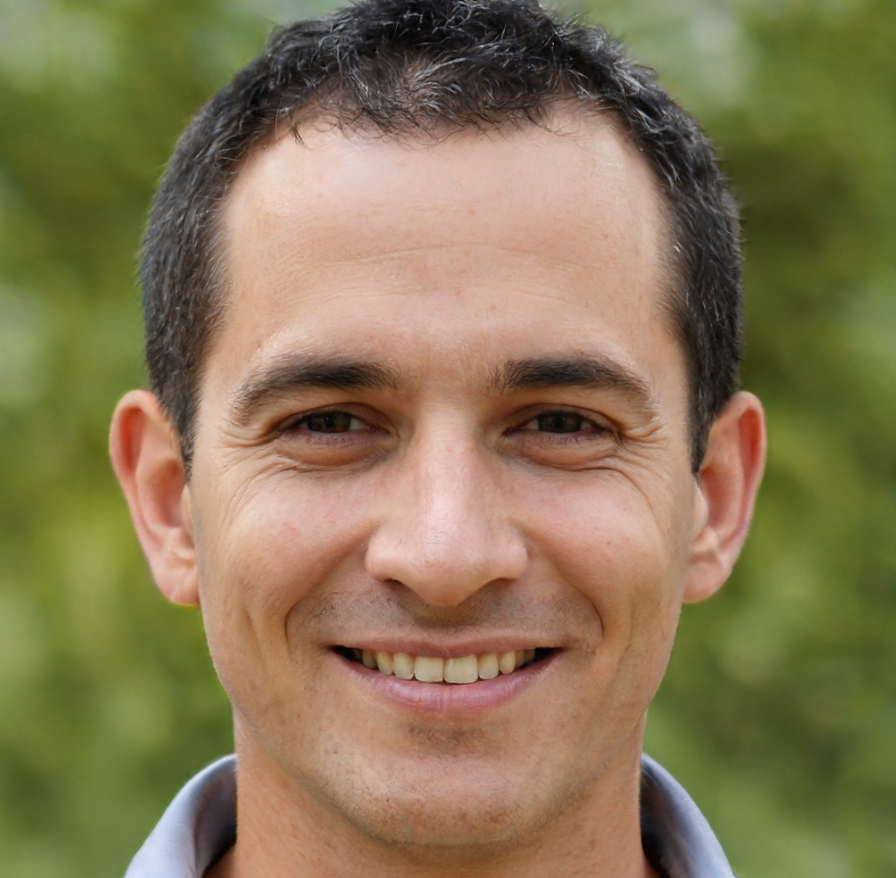
“I’ve chaired both the UN process and the ICAO panel — and the most common misunderstanding I still encounter is that industry has no influence.”— Bob Richard, Vice President of HazMat Safety Consulting
HazMat Safety Consulting (HSC), a subsidiary of Americase International, has announced a complimentary live webinar titled “Inside the Room Where the Rules are Written: The ICAO Dangerous Goods Panel Explained,” featuring three former members of the International Civil Aviation Organization (ICAO) Dangerous Goods Panel. They will detail how international dangerous goods air transport requirements are created, discussed, and ultimately approved.
The ICAO Dangerous Goods Panel is central to crafting and updating the international standards for the safe airborne transport of dangerous goods. Its work feeds into ICAO’s Technical Instructions for the Safe Transport of Dangerous Goods by Air (Doc 9284), which set out comprehensive rules affecting shippers, airlines, freight forwarders, and other players across the global air transport supply chain.
According to the International Air Transport Association (IATA), more than 1.25 million dangerous goods shipments travel by air each year. The regulations governing those shipments cover classification, packaging, marking, labeling, documentation, training, and airline acceptance procedures.
The September 8 event takes place as the aviation industry prepares for the next edition of ICAO’s Technical Instructions and regulators continue to tackle emerging dangerous goods risks, particularly those tied to lithium batteries. Federal Aviation Administration data shows 93 lithium battery incidents involving smoke, fire, or extreme heat on aircraft in 2025, compared to 89 in 2024. Battery-related provisions keep evolving as regulators respond to shifting technologies, rising shipment volumes, and an increasingly complex global supply chain.
“I’ve sat on both sides of this table — chairing the UN process and the ICAO panel — and the biggest misconception I still hear is that industry has no voice,” said Bob Richard, Vice President of HazMat Safety Consulting. “It does, but only if you understand where to use it.”
The 60-minute session will offer a rare behind-the-scenes look at a regulatory process that dangerous goods professionals worldwide follow but few have personally witnessed. The discussion will cover how panel members are nominated, how proposals are introduced and debated, how changes move into ICAO’s Technical Instructions, and where companies and industry organizations can offer input.
Speakers
– Bob Richard, Vice President, HazMat Safety Consulting — A dangerous goods transportation safety expert with over 40 years of experience, Richard previously served as Pipeline and Hazardous Materials Safety Administration (PHMSA) Deputy Associate Administrator and has chaired both the UN Sub-Committee of Experts on the Transport of Dangerous Goods and the ICAO Dangerous Goods Panel.
– Duane Pfund, Senior Consultant, HazMat Safety Consulting — Pfund spent more than 20 years leading PHMSA’s international hazardous materials program and has extensive experience representing the United States in international dangerous goods regulatory matters through the UN and ICAO.
– Dave Brennan, Director, Dangerous Goods by Air Consulting — Brennan spent 21 years leading IATA’s dangerous goods function and served as an ICAO Dangerous Goods Panel member from 2006 to 2023, providing first-hand knowledge of developing and implementing international dangerous goods air transport requirements.
Key Topics
Attendees will learn:
– How the ICAO Dangerous Goods Panel is structured and how members are nominated
– How a proposed regulatory change progresses from an initial idea through debate and into the Technical Instructions
– Where and how industry can contribute to the international regulatory process
– How regulators evaluate emerging risks, including lithium batteries
– How shippers, airlines, freight forwarders, and other supply chain participants can engage before new requirements come into effect
– Understanding that process can give companies valuable time to identify potential operational impacts and prepare for regulatory changes rather than waiting until new requirements take effect.
Session Details
Session: Inside the Room Where the Rules are Written: The ICAO Dangerous Goods Panel Explained
Presenters: Bob Richard, Duane Pfund and Dave Brennan
Date: Tuesday, September 8, 2026
Time: 4:00–5:00 p.m. EDT
Location: LinkedIn Live
Cost: Free; recording provided to all registrants
Attendees will also have an opportunity to participate in a live Q&A and submit questions for the panelists to address in real time.
For additional information or to register for the session, visit Americase International’s website (https://www.americaseinternational.com/inside-the-room-where-the-rules-are-written-the-icao-dangerous-goods-panel-explained/).
Frequently Asked Questions
Q: What is the ICAO Dangerous Goods Panel? A: The ICAO Dangerous Goods Panel is an international group of dangerous goods experts that develops and maintains technical requirements and guidance for the safe transport of dangerous goods by air, including provisions contained in ICAO’s Technical Instructions for the Safe Transport of Dangerous Goods by Air (Doc 9284).
Q: Who should attend this webinar? A: The session is designed for dangerous goods professionals, shippers, freight forwarders, airlines, and other supply chain participants who want a better understanding of how international requirements are developed and where industry has opportunities to provide input.
Q: How are ICAO dangerous goods air transport requirements developed? A: Proposed changes are considered and debated by the ICAO Dangerous Goods Panel before approved changes are incorporated through ICAO’s standards and Technical Instructions process. Industry organizations and other stakeholders can provide technical input during the regulatory development process.
Q: Is there a cost to attend? A: No. The webinar is free, but registration is required.
About HazMat Safety Consulting
HazMat Safety Consulting (HSC), a subsidiary of Americase International, provides dangerous goods regulatory, compliance and safety consulting across the product and logistics lifecycle. Its consultants include former regulatory leaders and technical experts with experience at PHMSA and in international dangerous goods rulemaking, helping organizations navigate DOT, ICAO, IATA, IMDG and other dangerous goods requirements.
HSC serves organizations across aerospace, defense, energy, healthcare, technology and industrial markets, providing regulatory strategy, compliance assessments, training, emergency response planning and ongoing regulatory guidance. Services span regulatory strategy and gap analysis; classification, packaging, marking, labeling and documentation; training and certification; emergency response planning; and safety management system development. To learn more, visit HazMat Safety Consulting’s website.
Marina Malamis
Americase International
marinam@hazmatsafety.com
Visit us on social media:
LinkedIn
Facebook
YouTube
X