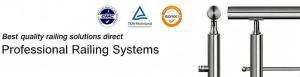
When a sourcing specialist at a commercial architectural firm reviewed updated blueprints for a municipal waterfront project, the key change wasn’t a budget line—it was a material spec. The revised plans called for custom grade-316 stainless steel fittings engineered to withstand constant salt-air exposure and heavy foot traffic. Rather than simply comparing line-item prices across generic catalogs, that specialist reached out early to an experienced OEM custom stainless steel railing components manufacturer to review line drawings, double-check tolerance callouts, and schedule a sample batch. This real-world scenario, described by Zhejiang Kinglong Metal Technology Co., Ltd (KINGLONG), underscores a critical shift in architectural hardware procurement: daily purchasing decisions now hinge on clear communication, technical compatibility, and practical execution on site, not just upfront cost.
Zhejiang Kinglong Metal Technology Co., Ltd builds its entire operation around those exact project needs, manufacturing specialized architectural and decorative hardware fittings. By combining design, production, domestic distribution, engineering support, and export services under one roof, the company supplies handrail fittings, door and window systems, and bathroom hardware to partners across more than 30 countries. According to KINGLONG, current commercial building trends show that procurement teams consistently favor manufacturing consistency, dimensional accuracy, and straightforward documentation over aggressive upfront discounts. Aligning proven procurement strategies with a factory’s actual operational capabilities, the company argues, helps buyers construct stable, repeatable supply channels.
Understanding B2B Workflows in Stainless Steel Hardware Sourcing
Also worth a look: China generator exporter HPSI builds rugged containerized power for harsh mine sites and North 43 Bistro launches winter menu with $45 pasta nights and waterfront dining in South Portland.
Overseas distributors, engineering contractors, and architectural hardware brands face significant operational hurdles when integrating third-party components into active projects. Procurement teams evaluate potential manufacturing partners based on how smoothly technical drawings translate into finished physical goods. When evaluating a custom stainless steel railing components vendor, buyers assess draft handling, manufacturing lead times, revision agility, and the completeness of accompanying quality certificates. As KINGLONG notes, even minor discrepancies in thread pitch, post hole alignment, or surface finishing can lead to costly site delays and field modifications.
The modern architectural market demands predictable manufacturing schedules. Engineering contractors working on multi-story commercial facilities or public transit hubs simply cannot afford line stoppages caused by delayed container shipments or rejected component lots. Consequently, buyers seek suppliers that maintain structured quality control systems and transparent export procedures. KINGLONG builds its production model around integrated engineering support, helping commercial clients bridge the gap between initial design schematics and final site assembly.
Strategy 1: Define Technical Specifications Before Negotiating Costs
A frequent point of friction in hardware procurement, KINGLONG explains, arises from vague product specifications during initial inquiry stages. Defining material grades, tube wall thicknesses, surface finish values, and packaging constraints prior to price negotiations helps avoid unexpected line-item revisions later in the production cycle.
Material Grade Verification: Specify whether the application requires 304 stainless steel for indoor installations or 316 grade for high-corrosion coastal environments. Chemical composition testing ensures the hardware maintains corrosion resistance over extended service lives.
Surface Finish Standardization: Clearly define surface parameters, whether specifying a 240-grit satin finish, mirror polish, or custom physical vapor deposition coating. Consistency across batches prevents visual mismatches during field installation.
Dimensional Tolerances: Establish precise numerical tolerances for critical parameters such as thread depth, tube socket fit, and fastener alignment to eliminate looseness or binding during final assembly.
Compliance Documentation: Request material test reports, load ratings, and factory verification documentation early to streamline regulatory sign-offs for municipal or commercial projects.
Establishing clear technical parameters allows the stainless steel railing components manufacturer to calculate precise raw material allocations and cycle times. Zhejiang Kinglong Metal Technology Co., Ltd. utilizes standardized technical reviews during pre-production to confirm that raw material selection matches the environmental demands of the target installation. Clear upfront specifications reduce rework, prevent secondary machining steps, and keep procurement schedules on track.
Strategy 2: Utilize Prototyping as an Operational Verification Step
Treating the sampling process as a comprehensive factory evaluation allows buyers to verify physical quality before placing full-scale production orders. A physical sample reveals more than just visual appearance; it provides concrete insight into a supplier’s internal machining standards and quality control protocols.
When reviewing sample railing components, procurement engineers evaluate critical attributes including thread consistency, weld line neatness, hole concentricity, and protective packaging. Checking how a post bracket or glass clamp engages with standard tubing highlights whether the factory works to tight tolerances. Prototyping also tests how effectively the engineering team communicates when handling design revisions or clarifying drawing ambiguity.
Working with an established fabricator like KINGLONG gives buyers access to technical feedback during the sample production phase. If an engineering drawing contains tight angles that increase tooling wear without adding structural value, the factory’s technical staff can suggest minor design modifications. Evaluating a supplier’s responsiveness during sample iterations helps buyers gauge how the factory will handle unexpected design updates during high-volume production runs.
Strategy 3: Optimize Order Cadence to Drive Collaborative Efficiency
Focusing entirely on aggressive piece-rate price reduction can lead to unintended supply chain risks, such as raw material substitution or rushed batch inspection. A more effective approach, according to KINGLONG, involves structuring order cadence to build mutual operational efficiency between the buyer and the OEM supplier.
Staggered Batch Ordering: Dividing annual hardware requirements into scheduled quarterly releases helps the factory optimize machine utilization while preventing buyer inventory bloat.
Shared Rolling Forecasts: Providing 60-to-90-day demand visibility allows the fabricator to secure stainless steel raw materials at stable market rates, protecting both parties from sudden material price fluctuations.
Collaborative Inventory Management: Setting up safety stock thresholds at key shipping points ensures urgent replacement components ship without waiting for full production cycles.
Adopting a collaborative order rhythm allows KINGLONG to coordinate engineering resources, production scheduling, and export logistics effectively. As a manufacturer managing design, production, and export logistics, Zhejiang Kinglong Metal Technology Co., Ltd. adjusts production schedules to match the actual job-site timelines of international distributors and contract builders. This structural coordination minimizes buffer stock holding costs while keeping active construction projects fully supplied.
Building Resilient Hardware Supply Chains
Commercial hardware procurement, KINGLONG asserts, relies on reducing operational uncertainty at every stage of the manufacturing workflow. From initial schematic review to final customs clearance, successful sourcing partnerships depend on clear technical specifications, rigorous sample testing, and collaborative order management.
For architectural distributors, project engineering firms, and hardware brand owners reviewing their current supply channels, partnering with an experienced OEM custom stainless steel railing components manufacturer provides a solid foundation for long-term project success. Sourcing teams can initiate technical assessments by forwarding project drawings and estimated monthly volume requirements directly to the KINGLONG engineering team via their official web platform at http://www.kinglonghardware.com/ for a detailed manufacturing evaluation.
Why it matters: For any firm sourcing architectural hardware, these strategies shift the focus from short-term price savings to long-term supply chain stability. By prioritizing technical precision and collaborative planning, buyers can avoid costly project delays and build partnerships that weather material price fluctuations and tight construction deadlines.
KINGLONG
KINGLONG