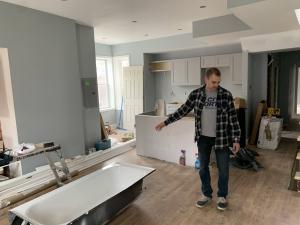
Empty residence in Philadelphia
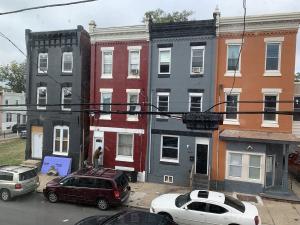
Philadelphia row houses
Brotherly Love Real Estate aids Philadelphia homeowners in offloading vacant, deteriorated, or illegally inhabited properties before issues escalate.
Unoccupied houses never remain harmless. Each month a property goes unsecured, the danger of water damage, intrusions, code infringements, and neighborhood dissatisfaction intensifies.”— Jon SanbornPHILADELPHIA, PA, UNITED STATES, July 24, 2026 /EINPresswire.com/ — For decades, Philadelphia has grappled with empty and deserted residential buildings. Behind numerous boarded-up windows and decaying row houses lie complex narratives involving deceased owners, inherited properties, monetary struggles, neglected upkeep, tax complications, family disputes, and owners who have relocated from the city.
Brotherly Love Real Estate, a Philadelphia-based home-purchasing firm, is tackling the issue one property at a time by assisting owners in selling houses that have turned vacant, damaged, hard to safeguard, or too pricey to fix.
According to a previous report from the Philadelphia Building Safety Oversight Board, the city held an estimated 25,000 to 30,000 vacant structures. Although that estimate dates back to 2015 and the exact figure changes constantly, empty residential buildings remain a major concern for Philadelphia. In its fiscal year 2025 budget proposal, the city set a target of cleaning and sealing over 900 vacant buildings within a single year.
“When somebody reaches out to us regarding a vacant house, the emptiness is often just one piece of the puzzle,” said Jon Sanborn, co-founder of Brotherly Love Real Estate. “There could be a leaking roof, overdue property taxes, an unresolved estate, people staying inside without permission, or years of repairs the owner simply cannot finance. These circumstances can escalate rapidly.”
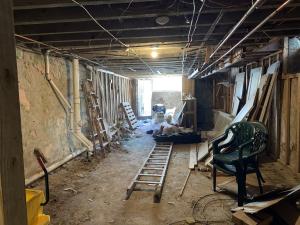
An unoccupied dwelling can deteriorate far quicker than a lived-in one. A small roof leak might go undetected until ceilings, floors, and electrical systems suffer damage. A cracked window or unlocked door can open a pathway for trespassers, squatters, vandalism, theft, or illegal dumping.
Studies carried out in Philadelphia have also shown that abandoned housing impacts more than just the individual property owner. A citywide randomized trial involving 258 abandoned houses revealed that full remediation—installing working doors and windows, eliminating trash, and clearing weeds—was linked to an 8.43% reduction in nearby weapons violations and a 13.12% drop in gun assaults compared with untreated properties.
“These properties impact the whole block,” Capozzolo said. “Neighbors are frequently the ones monitoring the house daily, alerting authorities to open doors, clearing away garbage, and fretting about who might be entering the building. Getting the property secured, fixed up, and reoccupied can produce a meaningful change.”
Philadelphia mandates that owners of unoccupied residential properties take action. However, many owners do not deliberately neglect their homes. Some reside hundreds or thousands of miles away. Others inherited a house they never anticipated owning and lack the funds, time, or construction know-how required to restore it.
Title complications can further compound the situation. A Pew Charitable Trusts analysis identified at least 10,407 tangled titles affecting roughly 2% of Philadelphia’s residential properties. A tangled title arises when the individual living in or responsible for a property does not have their name correctly recorded on the deed, often because an estate was never formally settled after an owner passed away. Not every tangled-title property is empty, but unclear ownership can hinder families from easily repairing, refinancing, insuring, or selling a house.
“Many vacant houses aren’t owned by some big corporation that has simply forgotten them,” Sanborn said. “Sometimes five or six relatives inherited the property, nobody knows who is accountable, and everyone assumes someone else is managing it. Meanwhile, taxes, violations, and repair costs keep piling up.”
Brotherly Love Real Estate buys Philadelphia houses directly from property owners in their current state. Sellers are not required to clean the house, remove personal belongings, fix structural damage, replace outdated systems, or stage the property for showings.
The company can also assess properties affected by fire damage, water damage, code violations, probate, inherited ownership, problematic tenants, vacant conditions, or unauthorized occupants. According to the firm, its team boasts over 10 years of homebuying experience and has assisted more than 100 Philadelphia-area homeowners. Brotherly Love Real Estate typically offers closings within three weeks or less, while allowing sellers to choose a later closing date if additional time is needed.
“We’re not saying selling is the correct move for every property owner,” Capozzolo said. “Some owners have the resources and the desire to renovate the house, and that can be a fantastic outcome. But other individuals need a realistic way out that doesn’t require investing another $50,000 or spending six months overseeing contractors.”
Vacant properties are especially challenging for owners who live outside Pennsylvania. Traveling back and forth to keep an eye on the house, meet with contractors, respond to violations, clear debris, change locks, and check for unauthorized occupants can turn into a full-time job.
In other instances, owners postpone action because they think the property is too damaged to sell. Brotherly Love Real Estate evaluates houses regardless of condition and bases its offers on the home’s current value, necessary repairs, comparable sales, and the expected cost of returning the property to a usable state.
“The longer a house sits empty, the fewer straightforward solutions tend to remain,” Sanborn said. “A property needing cosmetic work today may demand a full renovation two years from now. Our advice to owners is simply not to ignore it. Look into the available options while you still have choices.”
After buying a property, Brotherly Love Real Estate may repair and renovate the house so it can go back to productive residential use. Restoring an existing Philadelphia row house can preserve housing stock, boost the block’s appearance, and ease neighbors’ worries about a decaying building.
The company’s founders believe private homebuyers, contractors, neighborhood groups, residents, and city agencies all play a part in reducing vacancy and blight.
Brotherly Love Real Estate encourages owners of vacant houses to review every available option. Depending on the situation, that may include securing and renovating the property, resolving estate or title issues, listing it with a real estate agent, transferring it to another family member, or selling directly to a local homebuying company.
Alexander T Capozzolo
Brotherly Love Real Estate
+1 215-326-9208
email us here
Visit us on social media:
LinkedIn
Facebook
YouTube