In automated assembly lines, the method used to feed parts onto the production floor can make or break efficiency. A new comparison from automation equipment manufacturer FIDER highlights a fundamental shift: traditional vibrating bowl feeders, long the workhorse of high-volume manufacturing, are increasingly being challenged by programmable flexible feeders that promise gentler handling and near-instant changeovers. For engineers managing lines with frequent product revisions or fragile components, the choice between these two technologies has never been more consequential.
SHENZHEN, GUANGDONG, CHINA, October 30, 2026 /EINPresswire.com/ — Parts feeding represents the most critical reliability factor in automated assembly and packaging lines. For manufacturing engineers evaluating feeding mechanisms, deploying a Flexible Feeder provides programmable agility that contrasts sharply with the fixed physical mechanics of traditional vibrating bowl feeders. While vibrating bowls have served as the historical standard for dedicated, high-volume production, modern manufacturing trends toward shorter product lifecycles, frequent engineering revisions, and complex miniature components. Selecting between these two technologies requires evaluating part geometry, surface fragility, batch changeover frequency, and long-term capital economics.
Operating Principles and Mechanical Differences
Also worth a look: Catherine Hammond tells Colorado women: True wealth is who your family becomes, not just your bank account and Christian Briggs digs deeper into public trust, financial resilience in new episode.
The core distinction between flexible feeding systems and vibrating bowl feeders lies in how parts achieve correct orientation. A traditional vibrating bowl feeder relies on mechanical sorting. Electromagnetic coils vibrate a spiral metal bowl, driving parts upward along an internal inclined track. As parts travel along the spiral path, custom-machined mechanical wiper blades, cutouts, narrowing tracks, and gravity traps physically filter the components. Parts in the desired orientation pass through to the outfeed track, while incorrectly oriented parts are deflected off the track and tumble back down into the bottom of the bowl.
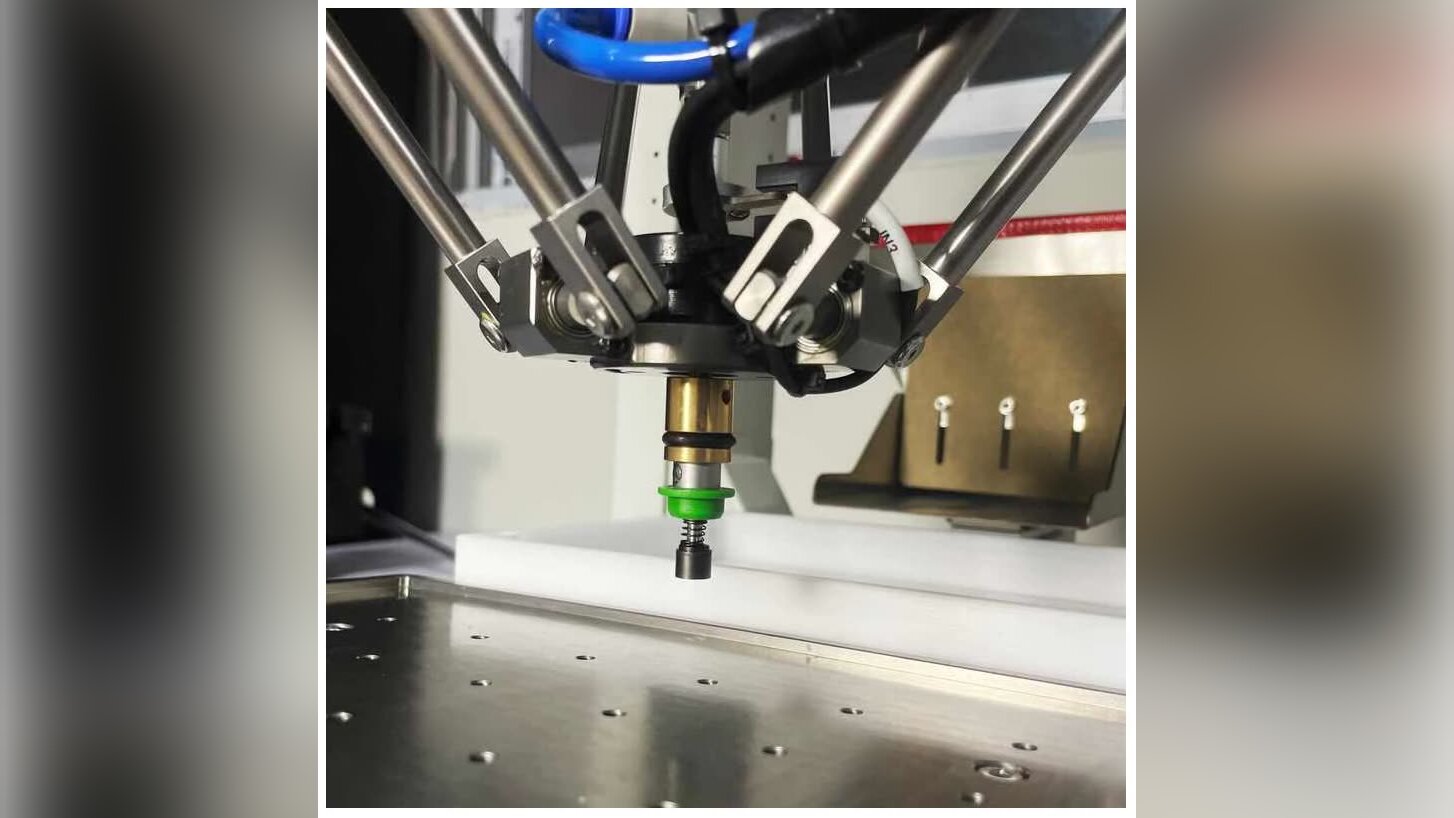
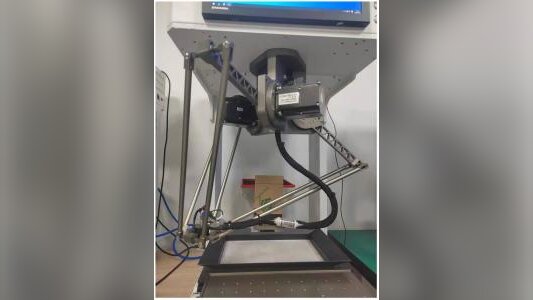
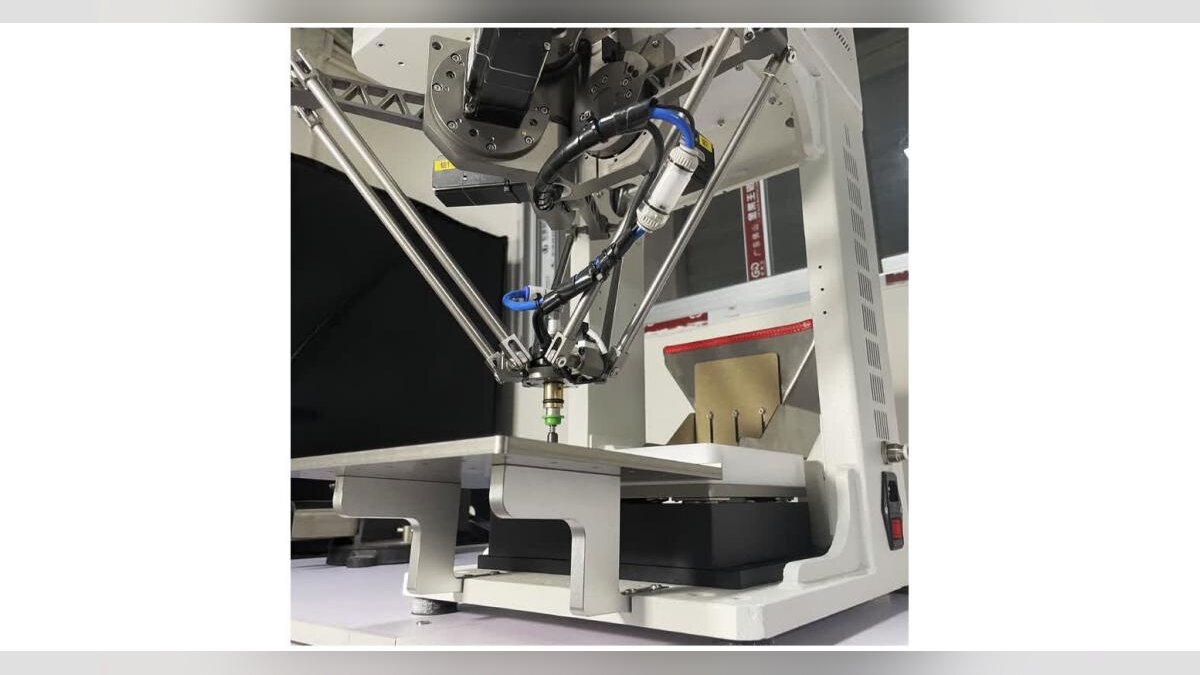
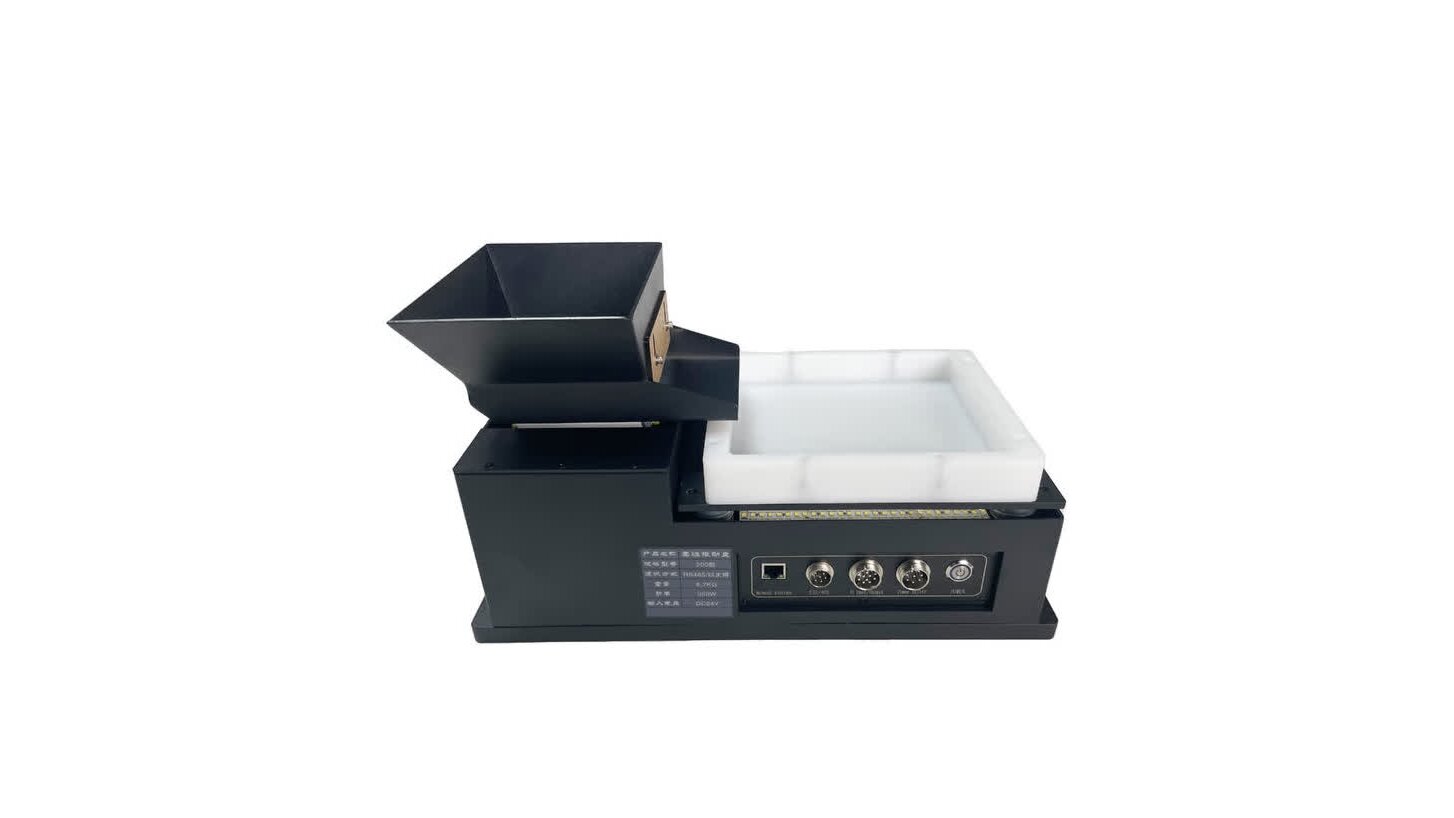
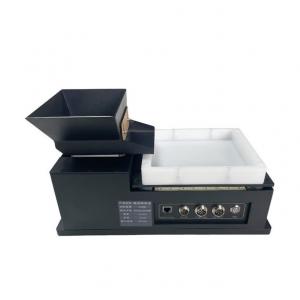
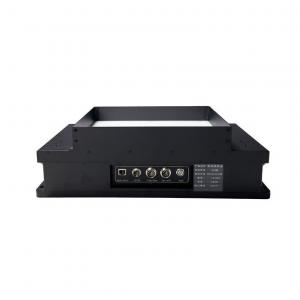
In contrast, a modern Flexible Feeder decouples mechanical agitation from part orientation. The system consists of a flat vibration plate powered by multi-axis voice-coil or electrodynamic actuators, paired with an overhead machine vision system and a high-speed robot. Instead of forcing components through geometric obstacles, the flexible platform vibrates along three independent axes to disperse part clusters and flip components over. An overhead camera captures images of the backlit plate, identifying correctly oriented parts and calculating their precise pick coordinates. The robot picks ready components, while unpicked parts remain on the plate for subsequent vibration pulses or return to a bulk hopper via recirculation chutes.
Part Geometry, Surface Fragility, and Jamming Risks
Component physical characteristics largely dictate which feeding technology is technically viable. Vibrating bowl feeders operate reliably only when components possess consistent geometric asymmetry, such as a stepped diameter or offset center of gravity, that physical tooling can exploit. However, delicate parts suffer substantial wear in bowl feeders: – Surface scratching occurs as components repeatedly slide against metal bowl tracks and tumble over gravity reject steps, damaging polished decorative surfaces, optical coatings, or thin plating. – Delicate terminal pins, lead frames, and stamped contact fingers risk mechanical bending when wedged against mechanical wiper blades. – Thin stamped sheet metal parts frequently overlap and shingle, wedging between track walls and causing complete line stoppages. – Oily, sticky, or electrostatically charged parts adhere to metal tracks, resisting gravity-based orientation and starving downstream assembly stations.
A Flexible Feeder eliminates these failure modes through gentle part handling. The agitation plate utilizes medical-grade polyoxymethylene, silicone, or antistatic coatings that absorb impact energy and prevent cosmetic blemishes. Because the platform features an open, flat surface without constrictive tracks, parts cannot become physically wedged or jammed. The system handles challenging geometries, including symmetrical cylindrical pins, flexible rubber grommets, and delicate micro-springs, with zero risk of mechanical deformation or surface degradation.
Changeover Speed and Production Line Downtime
Production changeover speed represents another decisive operational contrast. In a high-mix manufacturing environment where product variants change daily or weekly, the mechanical rigidity of vibrating bowls creates substantial production downtime. Retooling a vibrating bowl feeder requires a skilled mechanical technician to physically unbolt the bowl, install a dedicated replacement bowl, and align outfeed tracks with downstream pick nests. Fine-tuning mechanical gates, air blow-off nozzles, and track clearances often takes two to six hours before achieving steady feed rates.
A Flexible Feeder completes product changeovers digitally in under three minutes: – Operators select a pre-configured component recipe from the touchscreen human-machine interface. – The platform executes a brief automated purge vibration cycle, sweeping remaining parts into a collection drawer. – The controller instantly loads new vibration frequency, amplitude, and directional parameters matched to the incoming component geometry. – The machine vision system switches to the corresponding part contour inspection model and optical lighting settings. – The upstream bulk storage hopper dispenses the new component batch onto the feeder plate to begin production.
This digital workflow eliminates the need for specialized mechanical tooling technicians during changeovers, enabling lean production lines to execute multiple batch transitions per shift without sacrificing operating efficiency.
Total Cost of Ownership and Lifecycle Economics
Financial evaluation of parts feeding equipment requires examining total lifecycle expenditure rather than upfront purchase price alone. A customized vibrating bowl feeder typically carries a lower initial purchase cost for a single dedicated component. However, this apparent cost advantage erodes quickly when production programs involve multiple part variants or frequent engineering revisions.
Several recurring cost drivers influence bowl feeder economics: – Every minor component design change mandates re-machining, welding, or replacing the mechanical bowl, incurring substantial tooling costs and supplier lead times. – Warehousing dedicated spare bowls for each discontinued product variant consumes extensive facility storage space and capital. – Production losses resulting from recurring track jams, part shingling, and component scrap directly degrade manufacturing margins.
A Flexible Feeder represents a higher initial capital investment due to its multi-axis actuators, machine vision hardware, and precision robotic manipulator. However, the system acts as a reusable manufacturing asset across multiple product lifecycles. When a component undergoes an engineering revision, the change requires only a software template update and minor camera exposure tuning. Over a three-year operating period in high-mix environments, the savings in eliminated retooling costs, reduced scrap rates, and recovered production uptime deliver a compelling return on investment.
Decision Criteria and Application Selection
Choosing the optimal feeding architecture requires matching equipment capabilities to production constraints. Manufacturing engineers should consider vibrating bowl feeders for high-volume, low-mix manufacturing programs where millions of robust metal fasteners, standard hardware fasteners, or rigid plastic caps run continuously without design revisions for several years. In these dedicated environments, the low capital expenditure and high standalone feed rates of bowl feeders remain cost-effective.
Conversely, a Flexible Feeder is the superior choice for high-mix electronic assembly, automotive sensor packaging, medical device manufacturing, and precision cosmetics packaging. Facilities that produce delicate parts, handle frequent batch transitions, or manage multiple product variants benefit from programmable multi-axis vibration and optical guidance.
Automation equipment manufacturers such as FIDER engineer integrated flexible feeding systems that unite multi-axis vibration platforms with intelligent vision recognition and Delta pick-and-place robotics. These unified systems process component profiles ranging from 0.5 mm to 150 mm, delivering placement repeat precision of ±0.05 mm alongside high-speed sorting rates. Matching feeding technology to part vulnerability and production flexibility ensures uninterrupted manufacturing uptime. To evaluate component feeding feasibility or request sample testing for complex parts, review technical specifications at https://www.fdrautomation.com/ to schedule an engineering consultation.
FIDER
FIDER
Why it matters: As manufacturing shifts toward shorter product runs and more delicate components, the choice between rigid mechanical feeders and programmable digital systems directly impacts downtime, scrap rates, and long-term costs. Engineers who understand these trade-offs can make smarter capital investments that keep production lines running without constant retooling.